

What Outdated Cabling Is Really Costing You
June 5th, 2027
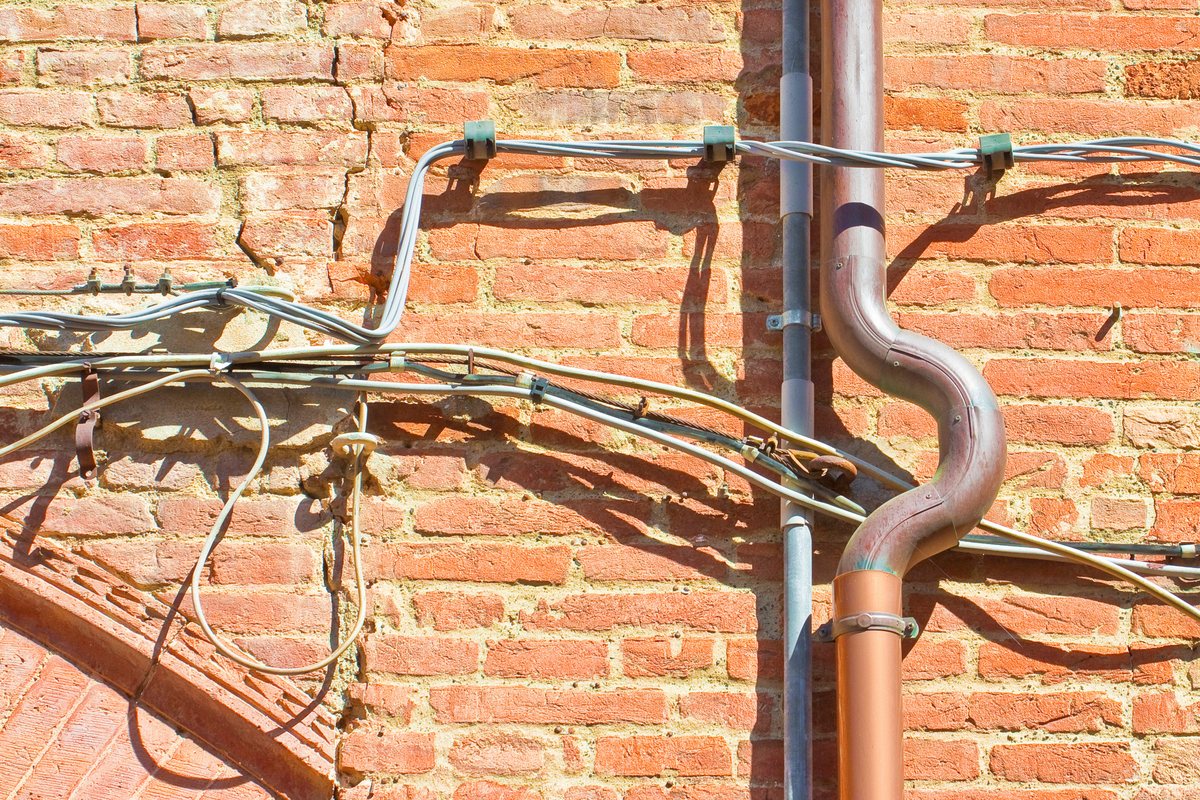
Cabling is the rare piece of infrastructure that works perfectly right up until the moment it does not. There is no warning chime. No maintenance light comes on. One day the network is fine, and the next day a whole floor is dealing with dropped calls, frozen screens, and a support ticket that says, "Everything is slow."
That is the tricky part about outdated cabling. The cost does not show up as a line item called "cabinet." It hides in places that are harder to see, and it adds up quietly.
Cost one: the minutes everyone loses
Add up the small delays. A file that takes ten seconds longer to open. A video call that freezes twice. A shared drive that needs to be refreshed. Ten seconds feels like nothing, but multiply it by a team, a week, a year, and the number gets real.
The bigger problem is not the delay itself. It is the habit it creates. People stop trusting the tools. They save files locally. They avoid video. They refresh before every meeting. None of that shows up on an invoice, but all of it slows the business down.
Cost two: the emergency calls
When cabling fails during business hours, the response is rarely calm. Someone needs it fixed now. A vendor gets called. Overtime gets approved. Maybe a critical meeting gets moved or a customer call gets dropped.
Emergency work is expensive for a simple reason: it cannot be planned. You pay for speed, not efficiency. A planned cabling project can be scheduled around your business. An outage schedules itself.
Cost three: the band-aid cycle
Replacing a patch cable is cheap. Replacing it every month is not. Neither is the technician time spent tracing the same intermittent problem, moving a device to a different port, or trying a new configuration that works for a week.
Band-aid fixes feel responsible in the moment. They get you back to work. But if the underlying cable plant is old or undocumented, you are not solving the problem. You are renting a little more time from it. Eventually, the bill comes due, usually at the worst possible moment.
Cost four: the projects that wait
Outdated cabling also has an opportunity cost. Maybe you want to add a conference room, install new cameras, or move a team to a cloud phone system. The software is ready. The budget is ready. The cabling is not.
So the project gets postponed, re-scoped, or done in a hurry with workarounds. That is a strange kind of expense: the cost of not moving forward. It does not appear on a bill, but it shows up in missed deadlines and frustrated teams.
How to stop the leak
The first step is an honest look at what you have. A cabling assessment can tell you which runs are healthy, which ones are holding on, and which ones should have been retired years ago. From there, you can decide what to fix now and what to include in a planned upgrade.
A practical assessment usually answers a few simple questions:
- What is actually installed, and where does it go?
- Which runs are still performing to spec?
- Where are the bottlenecks and failure points?
- What would it cost to fix the urgent items versus the whole system?
- What should be replaced before the next major technology change?
You may find that a few targeted repairs buy you years of breathing room. Or you may find that the cabling has been quietly holding the business back for a while. Either way, knowing is cheaper than guessing.
The boring investment that pays off
Cabling is not the exciting part of technology. It does not get a launch event. But it is the foundation everything else stands on, and it is one of the few infrastructure investments that gets cheaper when you plan it and more expensive when you ignore it.
If your cabling has been "fine" for a long time, it might be worth asking what fine is costing you. Our team can assess your cabling and give you a clear picture of what is working, what is not, and what to do next. Contact us to start the conversation.
Posted in: Structured Cabling